Phone: +61 2 80434749
Need help or have a question?
Contact us at: contact@diasporaessentials.com
Level 3, 478 George Street, Sydney NSW 2000
Phone: +61 2 80434749
Need help or have a question?
Contact us at: contact@diasporaessentials.com
Level 3, 478 George Street, Sydney NSW 2000
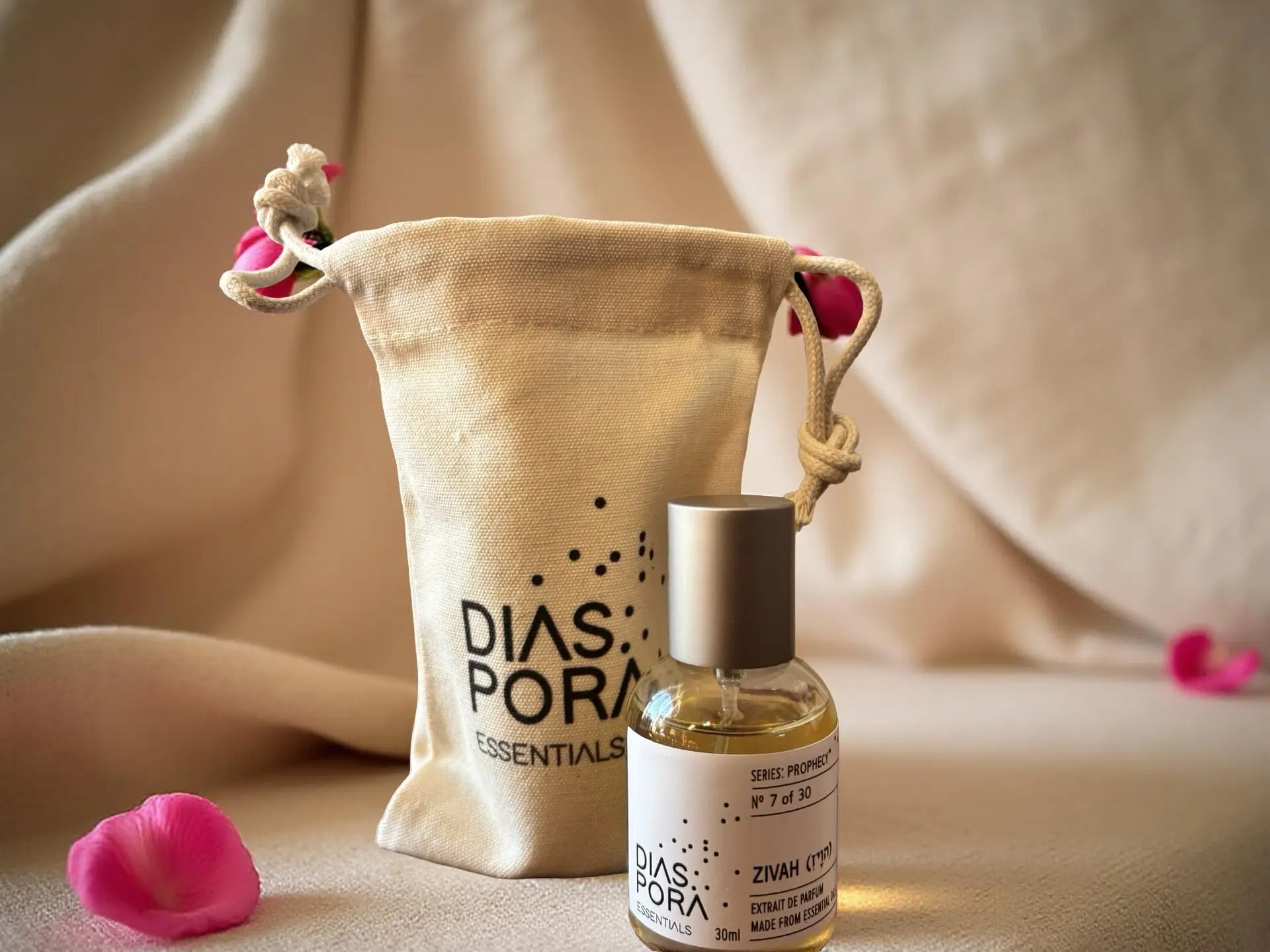
Some fragrances make an impression through sweetness or freshness. Others capture attention through depth, warmth, and a sense of mystery. Frankincense perfume belongs to the latter category, offering a distinctive aromatic character that has connected fragrance, tradition, and personal expression for centuries.
Known for its rich resinous aroma, frankincense brings complexity to perfume compositions. Depending on how it is used, it can feel fresh and bright, softly woody, warm and balsamic, or reminiscent of fragrant incense. Its character can also change considerably when combined with citrus, florals, woods, and musk.
In this guide, we explore what frankincense perfume smells like, how this distinctive ingredient works with other fragrance notes, how it differs from myrrh, and what to consider when choosing a fragrance featuring this remarkable resin. We also explore Shahar by Diaspora Essentials, a fragrance that incorporates frankincense into a composition inspired by the symbolism of dawn and righteousness.
Frankincense is an aromatic resin obtained from trees belonging to the Boswellia genus. When the bark is carefully cut, the trees release a resin that hardens into small, tear-shaped pieces. These pieces have traditionally been valued for their fragrance and their use in incense and perfumery.
In modern fragrance creation, frankincense can contribute a distinctive aromatic quality that is difficult to replicate with ordinary floral or fruity notes alone.
The ingredient is especially interesting because its aroma is not limited to one simple scent category. Depending on the species, processing method, and fragrance formulation, frankincense can express citrus-like brightness, dry woodiness, soft sweetness, balsamic warmth, or an incense-like character.
Perfumers use frankincense to introduce depth and dimension into a composition. It may be prominent in a fragrance, or it may work quietly in the background to connect brighter opening notes with richer base notes.
This flexibility makes frankincense perfume appealing to people who enjoy fragrances that develop gradually rather than remaining the same from the first spray to the final dry down.
Frankincense perfume does not have one universal smell. Its character depends on the materials used, their proportions, and the other ingredients surrounding it.
However, several qualities commonly help describe frankincense inspired fragrances.
The defining characteristic of frankincense is its resinous aroma. It can feel dry, balsamic, slightly smoky, or incense-like, giving a fragrance a distinctive sense of depth.
This quality can appeal to people who prefer scents with character rather than fragrances built entirely around sweetness or fresh fruit.
In a well-balanced composition, the resinous character does not necessarily feel heavy. It can be softened with floral notes or lifted with citrus ingredients to create a more versatile fragrance.
Some frankincense materials have bright aromatic facets that can suggest citrus, herbs, or fresh air. These qualities make the ingredient more flexible than its association with traditional incense might suggest.
When paired with bergamot or other citrus notes, frankincense can contribute to a composition that feels bright at first and becomes warmer as it develops.
This contrast between freshness and depth is one reason perfumers may use frankincense in complex fragrance compositions.
Frankincense can also complement woody and earthy ingredients. Sandalwood, patchouli, and other aromatic materials can help create a fragrance with warmth and structure.
The resulting perfume may feel grounded without becoming overly sweet. Depending on the composition, it can be smooth, dry, softly smoky, or richly textured.
For people who enjoy fragrances with a natural, understated character, this combination can be particularly appealing.
Balsamic notes bring a soft, rounded quality to perfume. When frankincense is combined with other resinous materials, the composition can become warmer and more enveloping.
These fragrances may be especially attractive to people who enjoy depth and complexity in their perfume choices.
The important distinction is that frankincense does not automatically make a perfume strong or heavy. The final character depends on the entire formula, including the concentration and balance of its ingredients.
One of the most interesting aspects of frankincense perfume is how the resin interacts with different fragrance families. It can support a composition, introduce contrast, or become a defining part of the overall scent.
Citrus notes such as bergamot and sweet orange can introduce brightness to a fragrance. When combined with frankincense, they create a contrast between a lively opening and a deeper aromatic character.
This pairing can work well for people who enjoy fresh fragrances but want something more layered than a straightforward citrus scent.
The citrus creates the initial impression, while the resinous element can add complexity as the perfume develops.
Floral ingredients can soften the aromatic character of frankincense and create a more rounded composition.
Rose may introduce a rich floral quality, while lavender can bring an aromatic freshness. Other floral materials can add softness, elegance, or subtle complexity.
The result depends on the formulation. Some combinations feel delicate and airy, while others are deeper and more expressive.
For fragrance lovers who enjoy florals but want to explore something less conventional, a floral composition featuring frankincense may offer an interesting alternative.
Sandalwood is valued in perfumery for its woody, smooth character. When combined with frankincense, it can complement the resin’s aromatic depth and help create a balanced, warm fragrance profile.
This pairing can appeal to those who prefer woody perfumes with an incense-inspired dimension.
Rather than relying entirely on sweetness, the composition can develop through texture, warmth, and the relationship between its different notes.
Musk ingredients are used in many modern fragrance compositions to provide softness, depth, or a smooth foundation.
When combined with frankincense, musk can help balance the resinous character and create a more rounded scent profile.
The precise effect depends on the musk material and the rest of the formula. Some combinations feel clean and understated, while others create a warmer, more enveloping impression.
Frankincense and myrrh are both aromatic resins, but they are not identical. Their scent profiles can differ depending on the materials and how they are used in a fragrance.
Frankincense is often associated with fresh, citrus-like, woody, and incense-inspired facets. Myrrh is frequently described as deeper, earthy, balsamic, and sometimes subtly bitter.
When combined, these materials can create a resinous fragrance with greater complexity. Other notes, such as florals, woods, and musk, can then help shape the overall character.
Frankincense is widely associated with incense, but a perfume containing frankincense does not necessarily smell like burning incense.
The difference lies in how the aromatic material is used.
Traditional incense creates an aroma through burning or heating fragrant materials. Perfume is formulated for application to the skin or other intended surfaces and develops according to its ingredients and concentration.
In a fragrance composition, frankincense may be blended with citrus, flowers, woods, and other materials. These combinations can highlight different aspects of its aroma while softening or changing its more recognisable incense-like qualities.
As a result, some frankincense perfumes feel bright and modern, while others lean towards a deeper, smokier, or more traditional aromatic profile.
If you are exploring frankincense for the first time, it is worth testing different compositions rather than assuming every fragrance containing it will smell alike.
Frankincense can be used in fragrances designed for different occasions. Whether a particular perfume works for everyday wear depends on its overall composition, intensity, and your personal preferences.
A fragrance that balances frankincense with citrus or lighter aromatic notes may feel different from one built around rich resins and dense woods.
Consider the following factors when choosing a fragrance for regular use.
The balance of notes
Look for a composition in which the resinous character complements the other ingredients rather than overwhelming the entire fragrance.
Your environment
For shared offices or close indoor spaces, a lighter application may be more considerate. You do not need to apply a large amount of perfume to enjoy its character.
Your personal taste
If you enjoy woody, aromatic, or incense-inspired fragrances, frankincense may be worth exploring. If you usually prefer light, sweet, or fruity scents, consider a composition that pairs frankincense with brighter or softer notes.
How the fragrance develops
Test the perfume on your skin and give it time to develop. The first impression may be quite different from the scent you notice later.
Ultimately, the best fragrance is one you enjoy wearing. Ingredient descriptions can help you narrow your choices, but they cannot fully replace personal experience.
Choosing a perfume based on a particular ingredient can be a useful starting point, but the ingredient alone does not tell you everything about the fragrance.
Here are some practical ways to find a composition that suits you.
Check the opening, heart, and base notes rather than focusing only on frankincense. A perfume featuring citrus and florals may feel very different from one built around woods and resins.
Consider which supporting ingredients you already enjoy. This can help you predict whether a fragrance’s overall direction will appeal to you.
If possible, apply a small amount and notice how the scent changes. Give the opening time to settle before deciding whether you enjoy the complete composition.
Skin chemistry, temperature, application, and the fragrance formula can all influence the experience.
A perfume’s intensity depends on more than one ingredient. Concentration and the balance of the formula can affect how noticeable it feels.
If you prefer subtle fragrances, start with a light application and assess how it performs in your usual environment.
Do not select a fragrance simply because it contains a note you like. The combination of ingredients is what creates the final scent.
A frankincense perfume with citrus, florals, and musk may appeal to someone looking for a balanced composition, while a darker resinous fragrance may suit someone who prefers a more pronounced aromatic profile.
The best choice is the fragrance whose complete character feels right to you.
Shahar (שַׁחַר), meaning Dawn of Righteousness, is a fragrance from Diaspora Essentials that brings together aromatic ingredients within a concept inspired by dawn, renewal, and hope.
The fragrance profile includes bergamot, May Chang, petitgrain, rose absolute, Roman chamomile, ylang ylang, sandalwood, frankincense, myrrh, attar, and botanical musk.
This combination creates several dimensions to explore, from the bright character of citrus ingredients to the floral heart and the deeper resinous and woody elements.
Bergamot, May Chang, and petitgrain introduce citrus and green aromatic facets. These ingredients offer a brighter dimension to the fragrance, creating a contrast with the richer materials that follow.
Rose absolute, Roman chamomile, and ylang ylang contribute floral and aromatic character. Their presence adds complexity and helps distinguish the fragrance from a composition built exclusively around woods and resins.
Frankincense and myrrh bring the fragrance into a more resinous territory, while sandalwood and botanical musk contribute additional depth and texture. The complete profile combines several fragrance families rather than relying on frankincense alone.
Shahar’s concept also reflects the symbolism of dawn as a beginning and a moment of renewal. For Diaspora Essentials, fragrance is presented not simply as a pleasant aroma, but as a way to explore stories, meaning, and personal expression.
If you are interested in a fragrance that features frankincense alongside citrus, florals, woods, and other aromatic materials, Shahar is worth exploring.
Discover the fragrance: Explore Shahar by Diaspora Essentials
Frankincense perfume can smell resinous, woody, balsamic, aromatic, or subtly smoky. Some compositions also reveal fresh or citrus-like facets. Its final character depends on the ingredients and how the perfumer combines them.
Yes. Frankincense and materials derived from aromatic resins are used in a range of fragrance compositions, including luxury perfumery. Its distinctive aroma can add depth and complexity to a perfume.
Frankincense can work with citrus notes such as bergamot, floral notes such as rose, woody materials such as sandalwood, and other resins such as myrrh. Musk and aromatic herbs may also complement it, depending on the formula.
Frankincense is often associated with fresh, woody, and incense-like qualities, while myrrh is frequently described as deeper, earthy, and balsamic. Both can be used together, but their aromas are distinct and can vary by material and formulation.
Yes, depending on the composition and your preferences. A fragrance that balances frankincense with brighter or softer notes may suit everyday use. Test the perfume and adjust your application to suit your environment.
No. Some frankincense fragrances have smoky or incense-like qualities, but others emphasise fresh, citrus-like, woody, or balsamic facets. The supporting ingredients and fragrance formula make a significant difference.
Shahar features frankincense alongside myrrh, sandalwood, citrus ingredients, florals, and botanical musk. It is best understood as a layered fragrance rather than a perfume defined by frankincense alone.
Frankincense brings a distinctive dimension to perfumery. Its resinous character can feel fresh, woody, warm, or incense-inspired, depending on the materials surrounding it. When combined thoughtfully with citrus, florals, sandalwood, and musk, it can contribute to fragrances with depth and individuality.
For anyone discovering frankincense perfume, the most useful approach is to explore the complete composition. Pay attention to the opening, allow the fragrance to develop, and choose a scent that reflects your personal preferences.
If you are drawn to fragrances that combine aromatic depth with a meaningful story, discover Shahar by Diaspora Essentials. With its blend of citrus, florals, frankincense, myrrh, sandalwood, and botanical musk, Shahar offers a distinctive way to explore the many dimensions of fragrance.